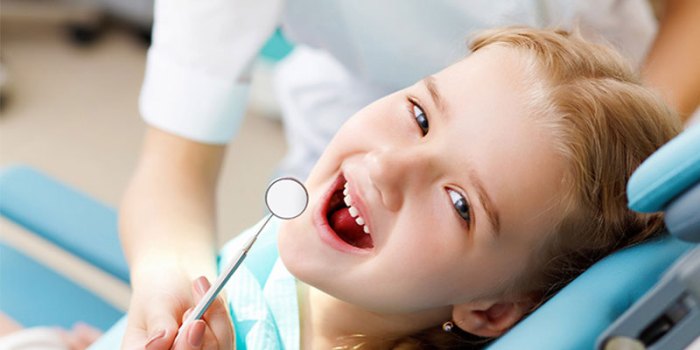
Preventive dental care is not just about maintaining a bright smile; it plays a crucial role in overall health and well-being. This approach emphasizes regular check-ups, good hygiene practices, and a balanced diet to keep dental issues at bay. By understanding and implementing preventive care, individuals can avoid costly treatments and enhance their quality of life.
From understanding the importance of home care to recognizing the impact of nutrition, this narrative explores the multifaceted aspects of preventive dental care. It’s about building a foundation that supports not only oral health but also overall wellness, making it a vital topic in today’s health conversations.
Preventive Dental Care Overview
Preventive dental care is a fundamental aspect of maintaining oral health and overall well-being. It encompasses a range of practices designed to prevent dental diseases before they occur, ensuring that individuals maintain a healthy smile. The importance of preventive dental care cannot be overstated, as it plays a crucial role in one’s general health and quality of life.Preventive dental care includes various components such as regular dental check-ups, professional cleanings, fluoride treatments, and patient education about oral hygiene practices.
Statistics indicate that individuals who engage in regular preventive dental care experience significantly lower rates of cavities and gum disease. For instance, a study found that patients who visit their dentist at least twice a year are 60% less likely to develop dental caries compared to those who do not schedule regular visits.
Importance of Home Health Care in Preventive Dental Care
Home health care serves as a vital support system for maintaining preventive dental care practices. By integrating dental hygiene routines into everyday life, individuals can significantly enhance their oral health outcomes. Caregivers play a pivotal role in reinforcing good dental habits, ensuring that patients adhere to their oral care routines at home.Caregivers can assist patients in various ways, including helping them with brushing and flossing techniques, providing reminders for dental appointments, and advocating for regular dental check-ups.
Research shows that home health care can reduce the incidence of dental-related health issues, resulting in fewer emergency visits and improved overall health.
Integrating Preventive Dental Care into Health Blogs
Creating informative and engaging content for health blogs focused on dental health can significantly raise awareness about preventive dental care. Here are some topic ideas that could be beneficial for such blogs:
- Importance of Regular Dental Check-Ups
- Best Practices for Daily Oral Hygiene
- The Role of Nutrition in Dental Health
- Common Misconceptions About Dental Care
- How to Choose the Right Toothbrush and Toothpaste
Engaging blog posts can be written by sharing personal stories, case studies, or expert interviews that highlight the significance of preventive dental care. To promote these articles effectively, consider using social media platforms, collaborating with dental health influencers, and utilizing email newsletters to reach a broader audience.
Community Health Alliances and Dental Care
Healthcare alliances play a key role in promoting preventive dental care initiatives within communities. These collaborations can lead to successful programs that aim to improve overall dental health through various outreach efforts.Successful community programs often focus on providing free dental screenings, educational workshops, and access to dental resources for underserved populations. Collaborating with dental professionals within health alliances can enhance the effectiveness of these initiatives, ensuring that community members receive comprehensive care and support.
Nutrition and Preventive Dental Care
Nutrition is closely tied to dental health, as the food choices we make can significantly impact our oral hygiene. A well-balanced diet rich in essential nutrients can promote better dental health and prevent various oral diseases.Foods that are particularly beneficial for maintaining good oral hygiene include:
- Dairy products like cheese and yogurt, which are high in calcium.
- Fruits and vegetables, especially crunchy ones like apples and carrots.
- Nuts, which provide healthy fats and can help reduce inflammation.
- Green tea, known for its antioxidant properties.
Incorporating dental health-friendly ingredients into recipes can also be fun and delicious. For example, a smoothie made with spinach, banana, and yogurt can provide essential nutrients while being enjoyable to drink.
Health Equity and Access to Dental Care
Health equity significantly impacts access to preventive dental care services, with many communities facing barriers that hinder their ability to receive adequate dental care. These barriers can include financial constraints, lack of transportation, and limited availability of dental professionals.Addressing these challenges is crucial for improving access to dental care among underserved populations. Potential solutions may involve expanding community health programs, offering sliding scale fees for dental services, and utilizing mobile dental clinics to reach those in remote areas.
Health and Fitness Connection to Dental Health
Regular health and fitness activities contribute positively to overall dental health. Engaging in physical activities can improve circulation, which benefits oral tissues and overall health.Hydration is another critical factor in maintaining oral health. Drinking sufficient water helps in washing away food particles and bacteria, reducing the risk of cavities. Additionally, activities like jogging, swimming, or even walking can promote good health and indirectly benefit dental hygiene.Including fitness activities that promote overall health can be simple yet effective.
For example:
- Yoga, which can reduce stress and improve overall wellness.
- Team sports, fostering social connections and motivation.
- Home workout routines that can be adapted to any schedule.
Health Connectors and Dental Services

Health connectors serve an essential role in improving access to dental care services. They are responsible for linking patients with appropriate healthcare resources and facilitating appointments with dental professionals.Utilizing health connectors effectively can promote preventive dental care by ensuring patients receive timely dental assessments and necessary treatments. This proactive approach can lead to better health outcomes and increased patient satisfaction.
Managing Health Anxiety Related to Dental Visits
Managing health anxiety associated with dental check-ups is important for encouraging regular dental visits. Strategies such as deep breathing exercises, visualization techniques, and practicing mindfulness can help ease anxiety before appointments.Communication with dental care professionals is also crucial in alleviating concerns. Patients should feel comfortable discussing their fears, allowing dentists to offer reassurance and tailored care to meet their needs.
Health Clinics and Preventive Dental Services
Health clinics often provide a range of preventive dental care services including routine cleanings, fluoride applications, and patient education. These services are vital for maintaining community health and preventing dental issues before they escalate.Regular dental check-ups at community health clinics can significantly enhance the overall well-being of populations, ensuring that individuals have access to necessary care without the burden of high costs.
Successful models of health clinics prioritize dental health by integrating dental services into their primary healthcare offerings.
Health Care Assistants in Dental Settings
Health care assistants play a critical role in supporting preventive dental care efforts. They assist in patient education, ensuring that individuals understand the importance of maintaining proper oral hygiene.Training programs focusing on dental hygiene can empower health care assistants with the knowledge and skills necessary to promote patient education effectively. Best practices include providing clear information about oral care techniques and encouraging patients to ask questions about their dental health.
Health Diagnostics and Dental Health
Diagnostic tools are essential components of preventive dental care, helping identify potential issues before they become severe. Common diagnostic procedures include x-rays, oral examinations, and periodontal assessments, each playing a significant role in maintaining oral health.Early diagnostics can prevent more serious dental health issues by allowing for timely interventions and treatment plans tailored to individual needs. Regular check-ups facilitate these diagnostic procedures, promoting a proactive approach to dental care.
Health Essentials for Dental Hygiene
Maintaining dental hygiene at home requires the right tools and products. Essential items include:
- Fluoride toothpaste to strengthen tooth enamel.
- A soft-bristled toothbrush for gentle cleaning.
- Dental floss to remove plaque between teeth.
- Antimicrobial mouthwash to reduce bacteria.
Choosing the right dental care products involves looking for ADA (American Dental Association) approval and considering individual needs. Regularly replenishing dental supplies is vital for ensuring that patients can maintain their oral care routines effectively.
Health Tips Focused on Preventive Dental Care
Daily health tips can significantly enhance preventive dental care practices. Important tips include:
- Brushing teeth at least twice a day for two minutes each time.
- Flossing daily to remove plaque buildup.
- Using mouthwash to reduce bacteria and freshen breath.
- Limiting sugary snacks and drinks.
Routine dental check-ups are also significant for early detection of potential issues. Maintaining oral hygiene between visits is crucial for long-term dental health.
Health and Medical Insurance for Dental Care
Understanding what health and medical insurance covers regarding dental care is crucial for patients seeking preventive services. Typical coverage may include routine check-ups, cleanings, and specific treatments.Knowing the details of dental insurance can aid in maximizing benefits and reducing out-of-pocket expenses. Patients should consider factors like coverage limits, waiting periods, and the network of dentists when selecting the right insurance plan for their dental services.
Health and Medical Education in Dental Care
Educational paths for careers in dental health range from dental hygiene programs to advanced dental degrees for dentists. Continuous education is vital for dental care professionals to stay updated with the latest practices and technologies.Resources for dental health education for patients can include community workshops, online courses, and informational pamphlets provided by dental offices. These resources can empower patients to take charge of their dental health with informed decisions.
Health and Beauty Shop Products Beneficial for Dental Care
Certain beauty products can offer oral health benefits, promoting preventive care. For instance, some mouthwashes contain ingredients that strengthen enamel while providing fresh breath.Cosmetic dental products, such as whitening strips and dental floss, play a role in maintaining oral hygiene. When selecting health and beauty products, consumers should look for those that support dental hygiene, focusing on ingredients that benefit oral health.
Closure
In summary, preventive dental care is an essential component of a healthy lifestyle, influencing both dental and general health. By prioritizing regular check-ups, proper hygiene, and nutrition, individuals can significantly reduce the risk of dental issues and improve their overall wellness. Embracing these practices leads to healthier smiles and better living.
FAQs
What is preventive dental care?
Preventive dental care involves practices aimed at maintaining oral health and preventing dental problems through regular check-ups, cleanings, and education on hygiene practices.
How often should I visit the dentist for preventive care?
It’s generally recommended to visit the dentist every six months for regular check-ups and cleanings.
What role does diet play in preventive dental care?
A balanced diet rich in vitamins and minerals can support oral health, while sugary foods can contribute to dental decay.
Can preventive dental care save me money?
Yes, investing in preventive care can help avoid costly treatments for dental issues that may arise from neglect.
What are some daily habits I can adopt for better dental health?
Brushing twice a day, flossing daily, and maintaining a balanced diet are essential daily habits for good dental hygiene.