Healthy immune system foods play a crucial role in maintaining our overall well-being and vitality. These foods not only help strengthen our body’s defenses against illness but also provide essential nutrients that support a balanced diet. As we navigate through various health challenges, understanding the power of nutrition can empower us to make informed choices that bolster our immune function.
From vibrant fruits and vegetables to nutrient-dense nuts and seeds, the right foods can enhance our body’s ability to fend off infections. Fermented foods also contribute positively by promoting gut health, which is intricately linked to immune performance. By learning about these foods, we can take proactive steps towards a healthier lifestyle and a more resilient immune system.
Importance of a Healthy Immune System

The immune system is our body’s defense mechanism against infections and diseases, playing a crucial role in maintaining overall health. It helps identify and eliminate pathogens, like viruses and bacteria, while also monitoring and repairing damaged tissues. A robust immune system ensures that we can effectively fight off illnesses and recover quickly when we do get sick. Nutrition has a direct impact on immune function.
A well-balanced diet rich in vitamins, minerals, and antioxidants can enhance the body’s ability to fend off illnesses, while a poor diet may weaken it. Signs of a weakened immune system include frequent infections, prolonged recovery times, fatigue, and an increased susceptibility to allergies and autoimmune diseases.
Foods That Boost Immune Function
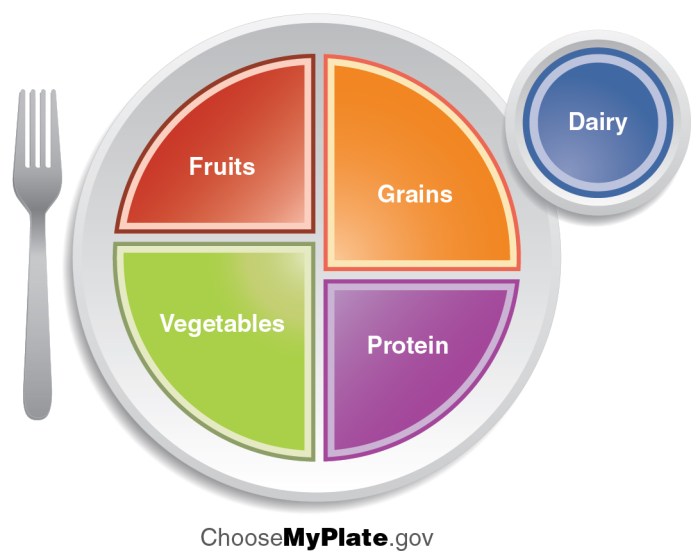
Incorporating specific foods into your diet can significantly strengthen your immune system. Understanding which fruits, vegetables, nuts, seeds, and fermented foods are beneficial can help improve your overall health.
- Fruits: Citrus fruits like oranges and grapefruits are high in vitamin C, which is known to enhance immune function. Berries, especially blueberries, are rich in antioxidants that protect the body from oxidative stress.
- Vegetables: Leafy greens such as spinach and kale provide essential nutrients, while bell peppers are another excellent source of vitamin C.
- Nuts and seeds: Almonds and sunflower seeds are packed with vitamin E, an antioxidant that plays a critical role in immune health.
- Fermented foods: Foods like yogurt, kefir, and sauerkraut are rich in probiotics, which support a healthy gut microbiome essential for a strong immune response.
Home Health Care and Nutrition
Diet is vital in home health care, especially for patients with chronic conditions or those recovering from illnesses. Proper nutrition can aid in faster recovery, boost energy levels, and improve overall wellbeing. Caregivers can incorporate healthy foods into meal planning by focusing on nutrient-dense options that cater to the specific needs of their patients. This may include preparing meals rich in vitamins and minerals, ensuring hydration, and providing a variety of flavors and textures to enhance appetite.Nutrition education is crucial in enhancing patient care, as it empowers caregivers and patients alike to make informed dietary choices that promote health and resilience.
Health Equity and Nutrition
Food access plays a significant role in shaping immune health across various communities. Disparities in access to affordable, nutritious foods can lead to poor dietary habits and increased vulnerability to health issues. Programs that promote healthy eating in underserved populations can bridge these gaps. Initiatives such as community gardens, cooking classes, and food banks that focus on providing fresh produce can make a difference in improving health outcomes.Barriers to accessing immune-boosting foods often include economic limitations, lack of transportation, and insufficient food education.
Addressing these challenges is essential to foster better health equity.
Health and Fitness Connection
Physical activity complements nutrition in supporting a healthy immune system. Regular exercise can enhance circulation, reduce inflammation, and promote the efficient functioning of immune cells. Hydration is equally important in maintaining immune function. Water helps transport nutrients and remove toxins, supporting overall health. Stress reduction techniques, such as mindfulness and yoga, can also positively affect immunity.
Chronic stress has been linked to decreased immune response, making it essential to manage stress through healthy practices.
Health Tips for Immune Support
Daily habits can significantly promote a strong immune system. Consuming a balanced diet rich in diverse nutrients is key. Regular physical activity, adequate sleep, and hydration are equally important for optimal immune function.Sleep and rest have a profound impact on immune health. Insufficient sleep can impair immune response, making it essential to prioritize restful nights. Managing health anxiety related to immune conditions involves practicing stress management techniques and seeking support when needed.
A proactive approach to mental health can enhance overall wellness.
Role of Healthcare Systems in Nutrition
Healthcare providers play a pivotal role in advocating for healthy eating. By integrating dietary advice into patient care, they can help individuals understand the significance of nutrition in their health management.The integration of dietary advice into medical education ensures that future healthcare professionals are equipped to guide patients on healthy eating practices. Health clinics can promote nutrition for immune support by offering workshops, resources, and consultations focused on healthy dietary choices, creating a supportive environment for patients aiming to improve their health through nutrition.
Health Benefits of Specific Food Groups
Comparing the health benefits of plant-based diets versus animal-based diets for immunity reveals that both can be nutritious when planned properly. Plant-based diets are often higher in fiber, antioxidants, and certain vitamins, while animal-based diets can provide essential nutrients like vitamin B12 and omega-3 fatty acids.Superfoods such as spinach, blueberries, and avocados boast impressive nutritional components that contribute to immune health.
Incorporating these foods into daily meals can enhance overall wellbeing.A meal plan incorporating immune-boosting foods across different food groups could include smoothie bowls with spinach and berries for breakfast, a quinoa salad with chickpeas and a variety of colorful vegetables for lunch, and grilled salmon with steamed broccoli and sweet potatoes for dinner.
Healthcare Alliance for Nutrition Education
Collaboration between various health organizations is essential to improve dietary practices. By working together, these entities can create comprehensive nutrition education programs that empower individuals to make informed food choices.Resources such as community workshops, online courses, and informational pamphlets can help individuals learn about healthy eating for immune support. Key stakeholders in promoting nutrition education within healthcare systems include healthcare providers, nutritionists, public health officials, and community organizations dedicated to enhancing health and wellbeing.
Summary
In summary, focusing on healthy immune system foods not only enhances our physical health but also contributes to our emotional and mental well-being. By incorporating a variety of nutrient-rich foods into our diets, we can strengthen our immune responses and improve our quality of life. Whether through fresh produce, wholesome nuts, or gut-friendly options, these foods offer a gateway to better health and vitality that we can all benefit from.
FAQ Overview
What are the best fruits for boosting immunity?
Citrus fruits like oranges, lemons, and grapefruits are excellent choices due to their high vitamin C content, which is known to enhance immune function.
How do nuts and seeds support the immune system?
Nuts and seeds are rich in vitamins and minerals, such as zinc and vitamin E, which play significant roles in immune health and function.
Why are fermented foods important for immunity?
Fermented foods like yogurt and kefir contain probiotics that support gut health, which is essential for a robust immune system.
Can hydration affect immune function?
Yes, staying adequately hydrated is crucial as it helps maintain optimal bodily functions, including the immune response.
How does stress impact the immune system?
Chronic stress can weaken the immune system, making it essential to incorporate stress management techniques to maintain overall health.